The easiest U.S. arrival is usually decided before you board the plane. You do not need to solve every long-term decision before traveling. You just need to make the first few days gentle on yourself: know where you will sleep, how you will leave the airport, how you will contact someone, and where your important documents are.
Key points
- Keep passport, visa or status documents, first-night address, and emergency contacts in your carry-on.
- Book flights with enough connection time, clear baggage rules, and an arrival time you can manage.
- Confirm your first-night housing before departure, even if your long-term housing is not final.
- Plan airport transportation and the route from your first stay to school, work, groceries, or other important places.
- Set up at least one backup for phone data, payment, water, clothes, and document access.
- Leave complex tasks like long-term banking, credit, and insurance comparison for after the first basics are stable, but check whether you have a health coverage gap on arrival.
Who This Guide Is For
Use this if you are preparing for your first trip or move to the United States as an international student, immigrant, worker, visitor, exchange participant, or family member.
This guide is practical planning help, not legal advice. Entry rules, school requirements, employer instructions, customs rules, airline policies, and state rules can differ. Verify critical details with the official agency, airline, school, employer, host, or program responsible for your situation.
Pre-Departure Priorities
Before you compare small details, make sure the high-risk items are handled first.
Handle these before departure
0 of 9 doneDocuments To Prepare
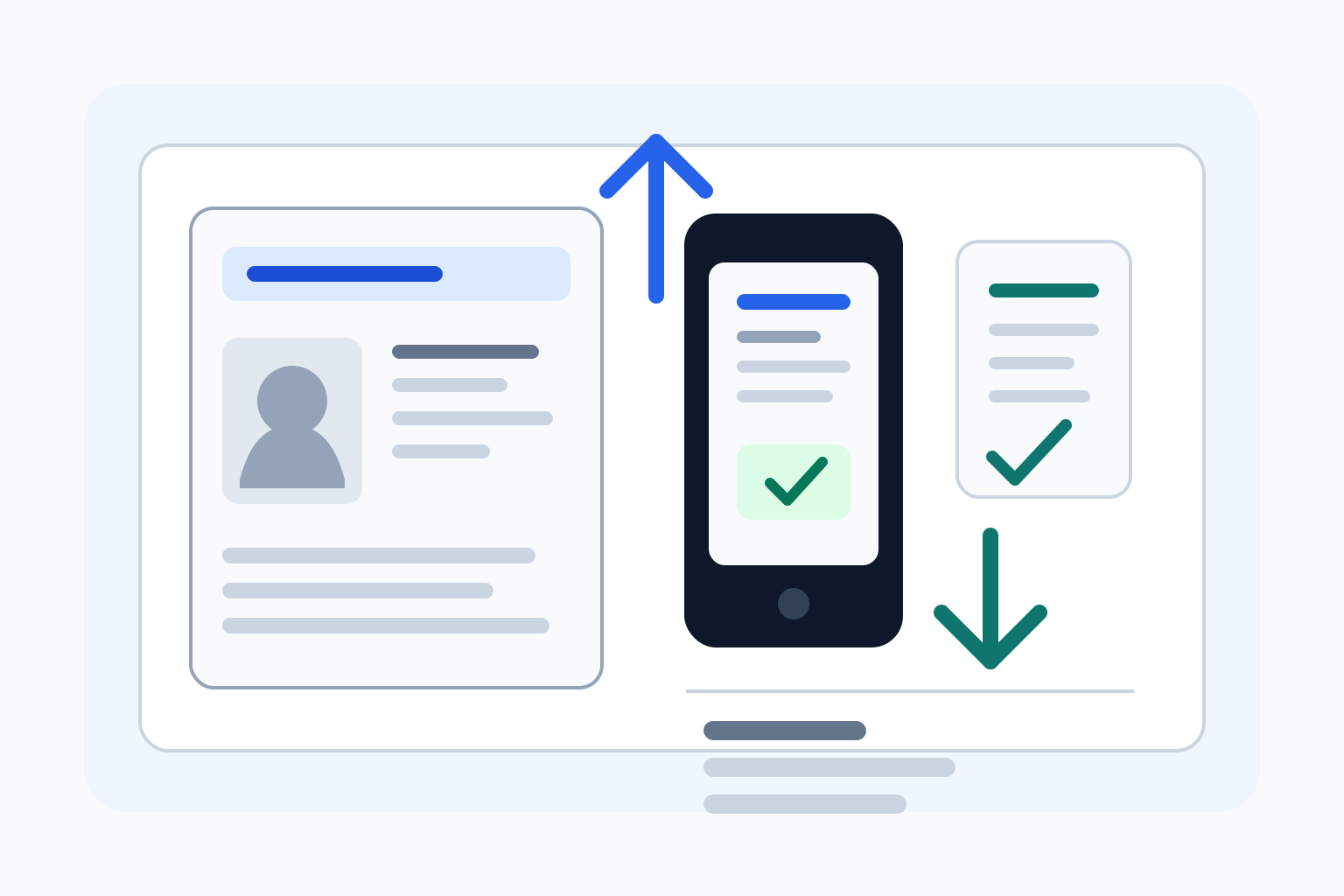
Put your most important documents in one carry-on folder or pouch. Keep originals with you and store digital copies somewhere you can access without relying on one device.
Common documents include:
- Passport
- Visa, ESTA, or other travel authorization if applicable
- I-20, DS-2019, approval notice, employment letter, admission letter, invitation letter, or program document if relevant
- Flight itinerary
- First-night housing confirmation
- U.S. destination address and contact phone number
- Emergency contact information
- Driver's license from your home country, if you have one
- Medical prescriptions or doctor letters for essential medication
- Vaccination, school, employer, or program records if required
Booking Flights
The cheapest flight is not always the best first-arrival flight. A difficult route can create problems when you are tired, carrying luggage, and trying to navigate a new airport.
When comparing flights, look at:
- Arrival airport and distance to your first address
- Arrival time
- Number and length of connections
- Whether checked bags are included
- Baggage weight and size limits
- Change or cancellation rules
- Whether you need proof of return or onward travel for your situation
| Situation | Better choice | Why |
|---|---|---|
| First U.S. arrival with heavy luggage | Fewer connections | Less risk of missed flights, lost bags, and stressful transfers |
| Late-night landing | Prearranged taxi, rideshare, shuttle, hotel, or host pickup | Transit may be limited and it is harder to solve problems while tired |
| Unclear return date | Check airline and entry requirements before buying | Some travelers need onward or return proof, while long-term travelers may need flexibility |
| Tight budget | Compare total trip cost, not only ticket price | A cheap flight can become expensive if bags, overnight layovers, or transport are not included |
First-Night Housing
You do not need permanent housing before you arrive, but you do need a safe, reachable place for the first night.
Good first-night options can include:
- Hotel or short-term stay near your destination
- University housing or temporary campus housing
- Employer, program, or host-arranged housing
- Staying with a trusted friend or family member
- Short-term rental, if check-in rules are clear and reliable
For a deeper comparison, read Finding Temporary Housing.
If you already know you are choosing between a hotel, short-term rental, and extended stay hotel, read Hotels vs Airbnb vs Extended Stay Hotels.
Before departure, confirm:
- Full address
- Check-in time and late-arrival instructions
- Building entry, key pickup, front desk, or host contact
- Cancellation rules
- Distance from the airport
- Transportation options from the airport
- Distance to school, admissions office, work, grocery stores, pharmacy, or other places you will need in the first week
- Transit, walking, rideshare, or shuttle options near the building
Send a short confirmation email or message the day before your flight. Ask whether your booking is still confirmed, what time you can check in, how late arrival works, and who to contact if your flight is delayed.
Airport Transportation
Plan your airport exit before you land. Large U.S. airports can have separate pickup areas for taxis, rideshare, hotel shuttles, buses, trains, rental cars, and private pickup.
Choose based on luggage, time of day, budget, phone access, and how confident you are with the route.
Also check transportation from your first stay to the places you will actually need after arrival:
- University, admissions office, international student office, or orientation location
- Workplace, training site, or employer office
- Grocery store, pharmacy, or basic shopping area
- Bank, phone store, or transit pass location if needed
- Urgent care or clinic near your housing
Save before landing
0 of 6 doneIf transportation is the part you are most worried about, read Getting Around After Arrival before your flight.
Phone, Internet, And Offline Access
Do not depend only on airport Wi-Fi. It may require a phone number, email login, browser page, time limit, or working battery.
Before departure, decide how you will communicate after landing:
- International roaming for the first day
- eSIM if your phone supports it and is unlocked, such as Airalo's United States eSIM
- Physical SIM after arrival
- Airport Wi-Fi as a temporary option, not the only plan
- A trusted person tracking your arrival and pickup plan
Phone and offline setup
0 of 8 done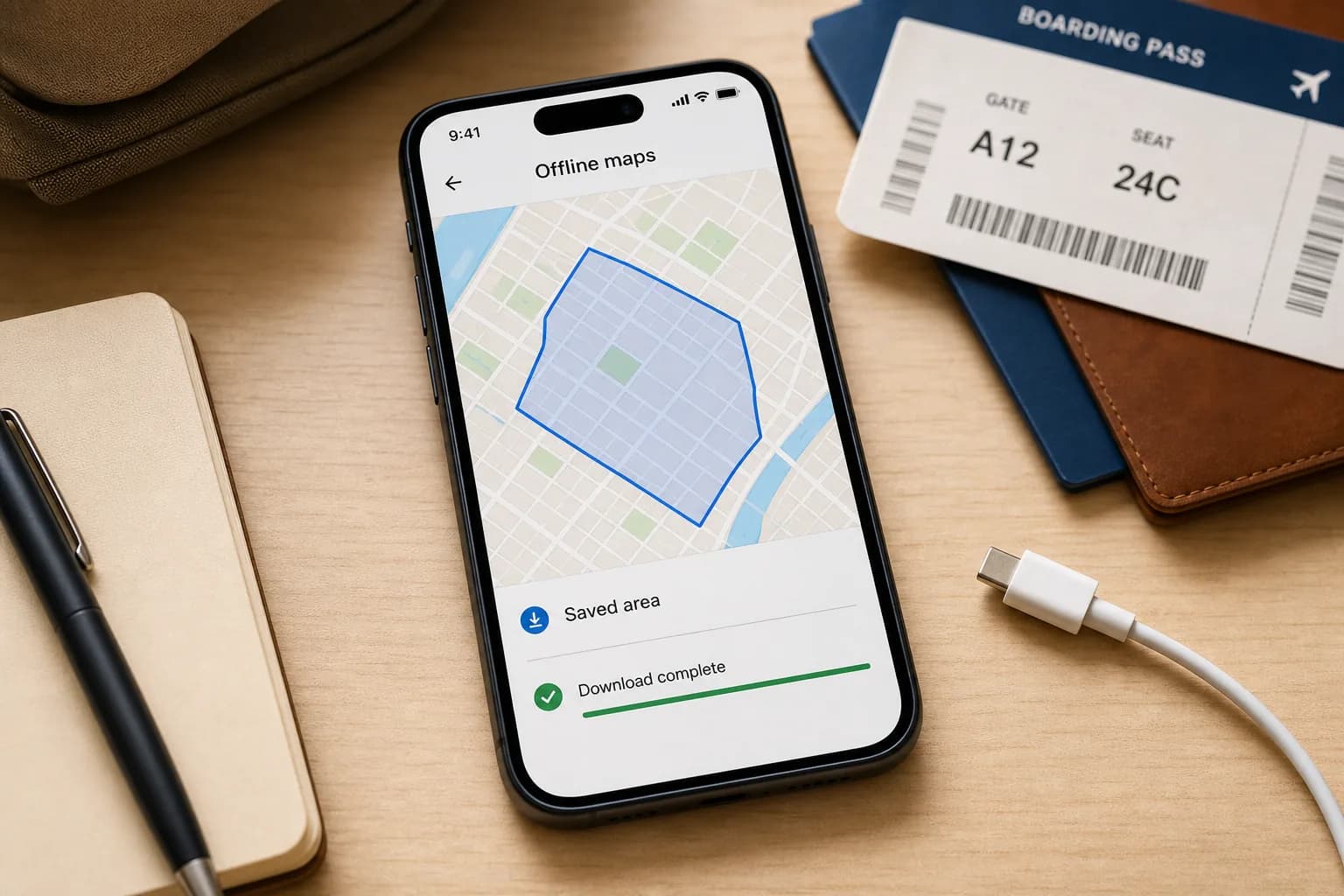
For more detail, use Phone and Internet for U.S. Arrival.
Health Coverage Gap
Before you travel, confirm the date your school, employer, family, Marketplace, or other health insurance becomes active. Some plans do not start the day you land.
If there is a gap, consider short-term travel medical insurance for the arrival period. Read the policy before relying on it. Check whether it covers emergency care in the United States, urgent care, prescriptions, pre-existing conditions, deductibles, reimbursement rules, and the exact start and end dates.
Travel medical insurance can reduce risk during the gap, but it is not a full replacement for the health insurance you may need after you settle. For the bigger setup, read Health Insurance Basics.
Money And Payments
Many U.S. payments are card-based, but a backup matters. Your card may be blocked, the airport machine may reject it, or your bank may flag international activity.
Prepare:
- A debit or credit card that works internationally
- A second card if available
- Up to about $500 in U.S. cash if possible, preferably in small bills such as $5, $10, and $20
- Bank fraud-alert or travel-notification settings if your bank uses them
- Enough available balance for transportation, food, and first-night issues
- A plan if your card does not work at the airport
- Apple Pay, Google Pay, or another secure mobile wallet if your card supports it
Mobile wallets can be safer and more convenient than handing over a physical card, but they are not accepted everywhere. Keep the physical card and some cash as backups.
Packing For The First Two Days
Pack your carry-on as if your checked bag could be delayed. You do not need to overpack, but you should be able to sleep, wash, charge your phone, take medication, change clothes for two or three days, and reach your first address.
Check the weather for the city where you will land and the city where you will sleep that night. The United States has very different climates at the same time of year. Texas in summer can be dangerously hot. The Northeast in January can be freezing, windy, icy, or snowy. Pack at least one outfit that fits your arrival weather, especially if you will wait outside for transportation or walk with luggage.
Personal bag essentials
0 of 11 done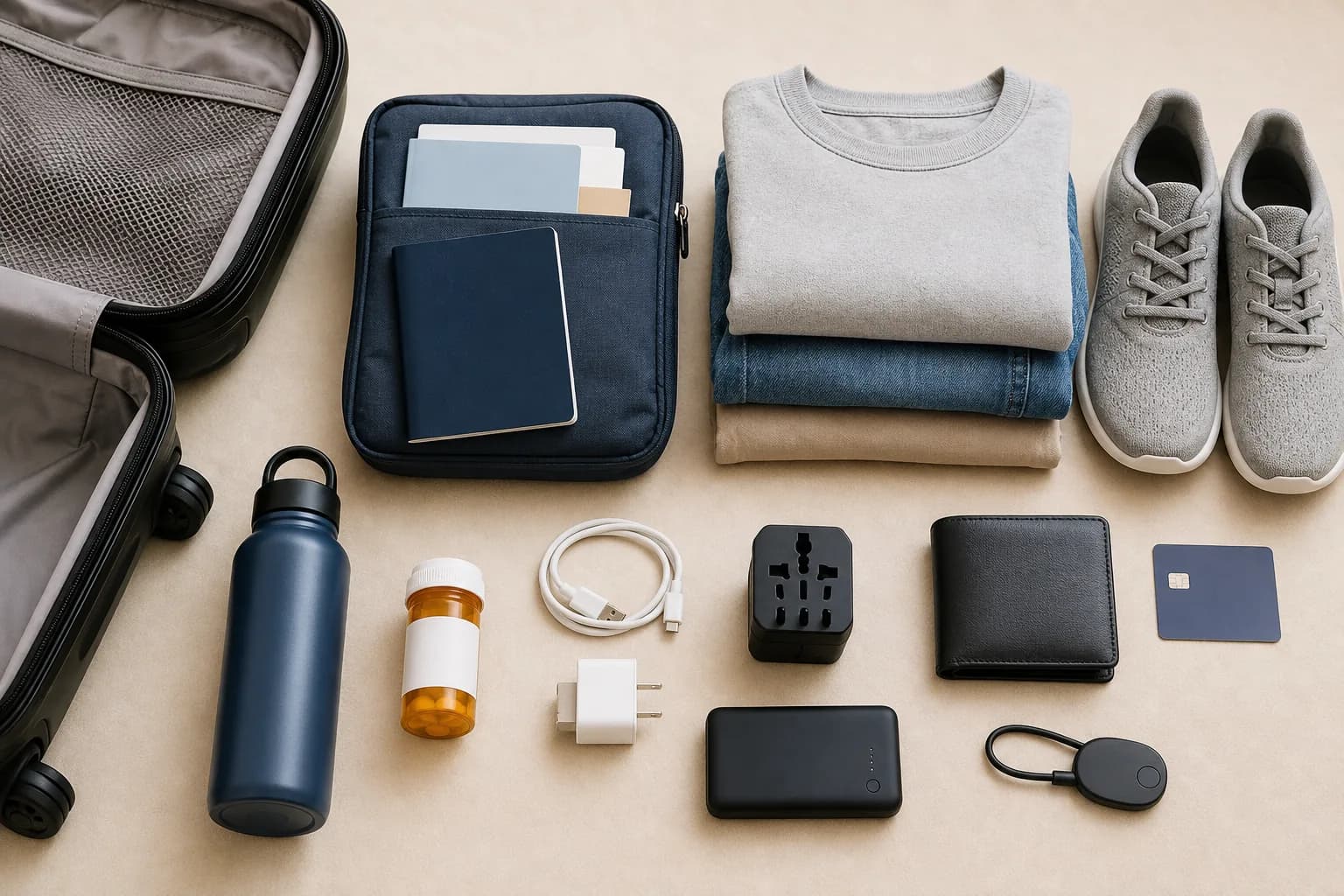
Food, Medicine, And Baggage Restrictions
Some items are restricted or prohibited when entering the United States, especially agricultural products. Do not pack raw meat, fresh fruit, fresh vegetables, plants, seeds, or animal products unless you have verified they are allowed.
Before packing food or plant items, check official U.S. guidance:
If you are unsure, declare the item or leave it at home. It is better to arrive without a favorite snack than to risk delays, fines, or confiscation.
Common Mistakes
What To Do Next
Use these guides to plan the next part of the arrival sequence:
- First-Time Arrival
- Airport Arrival
- Getting Around After Arrival
- Phone and Internet for U.S. Arrival
- First Week Checklist