You may not need to buy a car immediately. In some cities, campuses, and apartment areas, short-term car access can cover grocery trips, errands, medical appointments, furniture pickup, weekend travel, or moving days.
Key points
- Car sharing and rental cars can help when transit or rideshare is not enough.
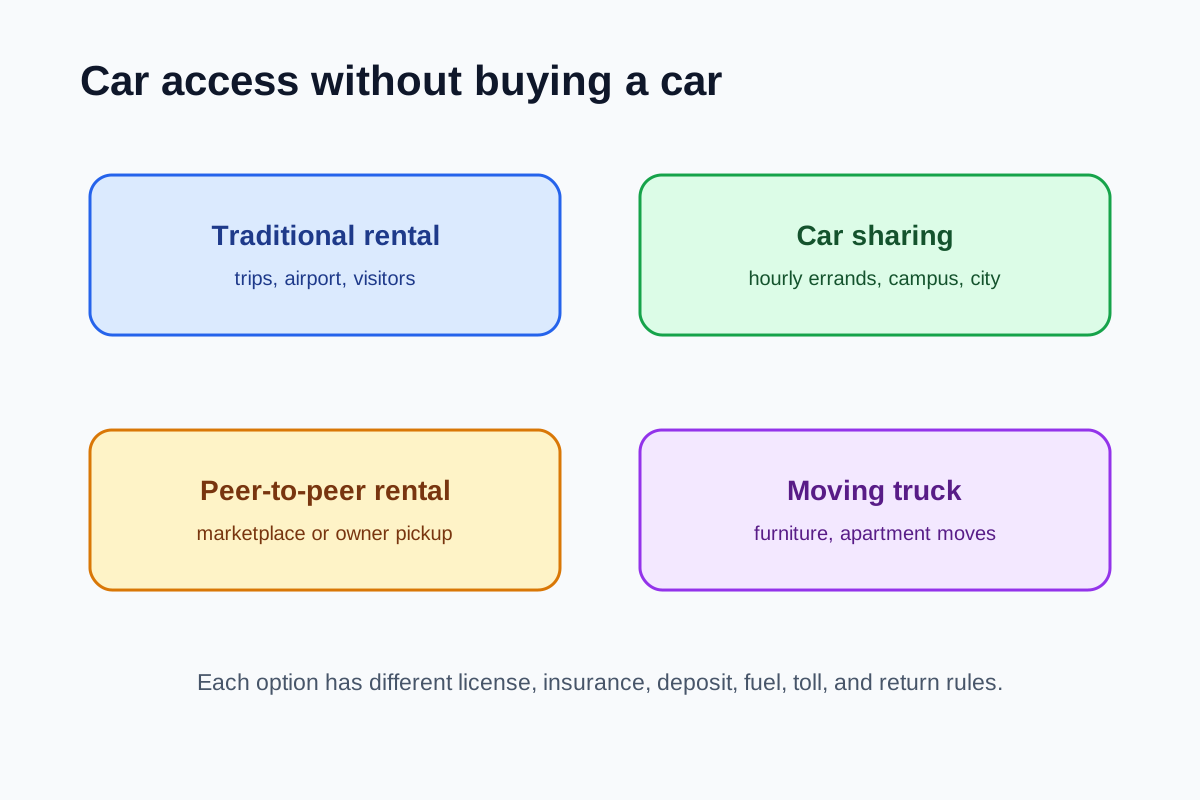
- Options include traditional rental cars, Zipcar-style car sharing, peer-to-peer rentals, campus programs, and moving vans.
- Check driver's license rules, age requirements, deposits, insurance, tolls, mileage, fuel, and late-return fees.
- Do not assume your home-country license, credit card, or insurance will work the same way everywhere.
- If you are not comfortable driving in the U.S. yet, use transit, rideshare, taxis, or a friend instead.
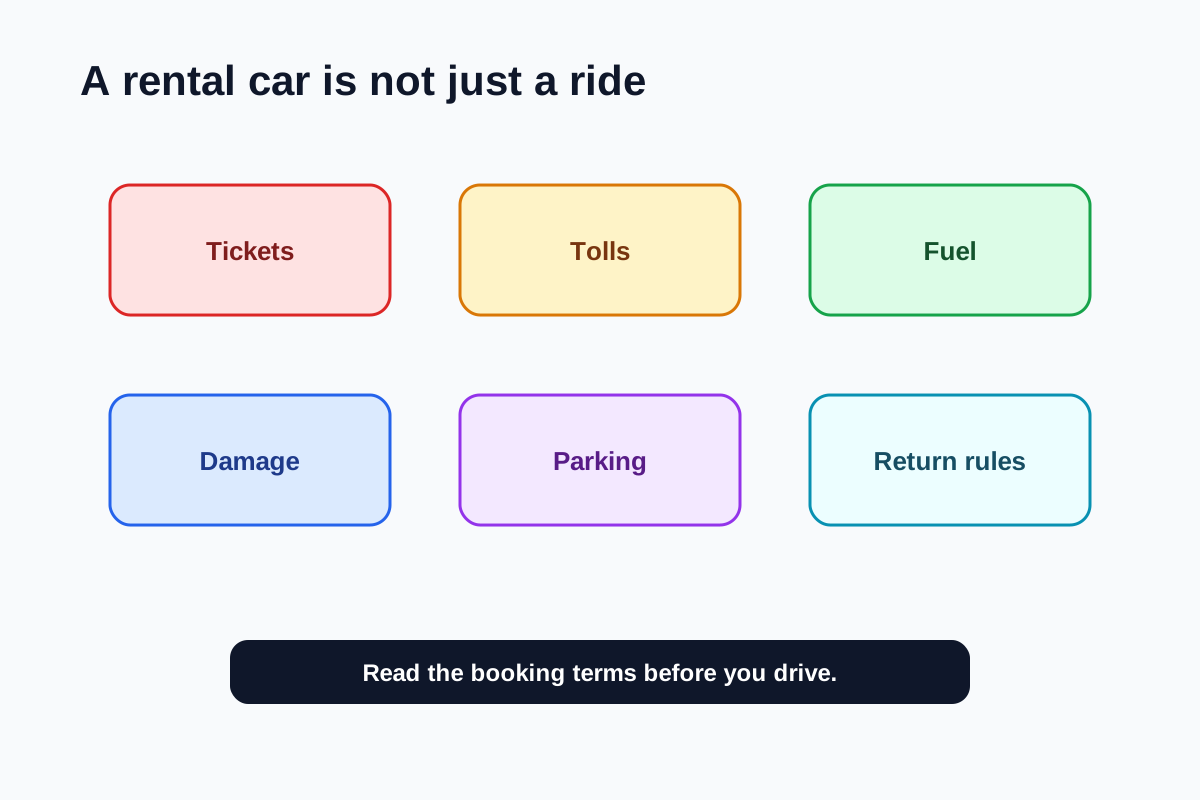
- Read the terms before booking. You may be responsible for damage, tickets, tolls, cleaning, and return mistakes.
Who This Guide Is For
Use this guide if you need occasional car access but are not ready to buy a car. If you are comparing airport taxis, rideshare, transit, and shuttles, start with Getting Around After Arrival.
If car sharing or rentals are starting to feel like a weekly routine instead of an occasional tool, compare the full ownership cost before you buy. Buying Your First Car walks through that decision.
Main Options
| Option | Best for | Watch out for |
|---|---|---|
| Traditional rental car | Trips, airport travel, visitors, temporary car needs. | Deposits, insurance, fuel, age fees, tolls, and pickup counter rules. |
| Car sharing program | Short errands by the hour or day in cities or campuses. | Membership approval, nearby car availability, mileage or time limits. |
| Peer-to-peer rental | Flexible car choices or local pickup from individual owners. | Host rules, protection plans, pickup steps, cleaning, mileage, and disputes. |
| Campus or employer program | Students or workers with local discounts or shared vehicles. | Eligibility, limited locations, reservation windows, and usage rules. |
| Moving van or truck | Furniture pickup, apartment moves, storage runs. | Larger vehicle handling, mileage, fuel, insurance, parking, and return rules. |
Traditional Rental Cars
Traditional rental companies operate at airports, downtown locations, and some neighborhoods. They can be useful for longer trips or when you need predictable company support.
Before booking, check:
- Minimum age rules and young-driver fees.
- Whether your driver's license is accepted.
- Whether an International Driving Permit is recommended or required with your license.
- Deposit or card hold amount.
- Insurance and damage waiver choices.
- Fuel policy.
- Toll policy.
- Extra driver fees.
- Mileage limits.
- One-way rental fees if returning in a different city.
Airport rentals may be convenient but can include extra airport fees. Neighborhood locations may be cheaper but have shorter hours.
Car Sharing Programs
Car sharing programs, such as Zipcar, let approved members reserve cars by the hour or day in some cities, campuses, and neighborhoods. These can be useful for grocery runs, appointments, or short local trips.
Car sharing may fit if:
- You only need a car occasionally.
- Cars are parked near your home, campus, or workplace.
- You can reserve ahead for busy times.
- You understand the mileage, fuel, charging, and return rules.
- You can return the car to the required location on time.
Availability is local. A service that works well in one city may be limited or unavailable in another.
Peer-To-Peer Car Rentals
Peer-to-peer platforms, such as Turo and Getaround, let people rent vehicles through an app or marketplace. The car may belong to an individual owner or be part of a shared fleet.
Before booking, check:
- Driver verification requirements.
- Pickup and return instructions.
- Protection plan or insurance options.
- Mileage limits and extra mileage fees.
- Cleaning, smoking, pet, toll, and late-return rules.
- Whether the host must approve the trip.
- What to do if the vehicle has damage before you start.
Take photos or video before and after the trip if the platform allows it. Document fuel level, mileage, exterior damage, interior condition, and return location.
Campus And Employer Programs
Some universities and employers offer transportation support that is easy to miss.
Look for:
- Car share discounts.
- Campus shuttle routes.
- Late-night safety rides.
- Vanpools or carpools.
- Commuter benefits.
- Discounted transit passes.
- Parking permit rules.
Ask your international student office, housing office, HR team, commuter office, or student government. These programs are often local and may not appear in general web searches.
Insurance, Deposits, And Fees
This is where many people get surprised.
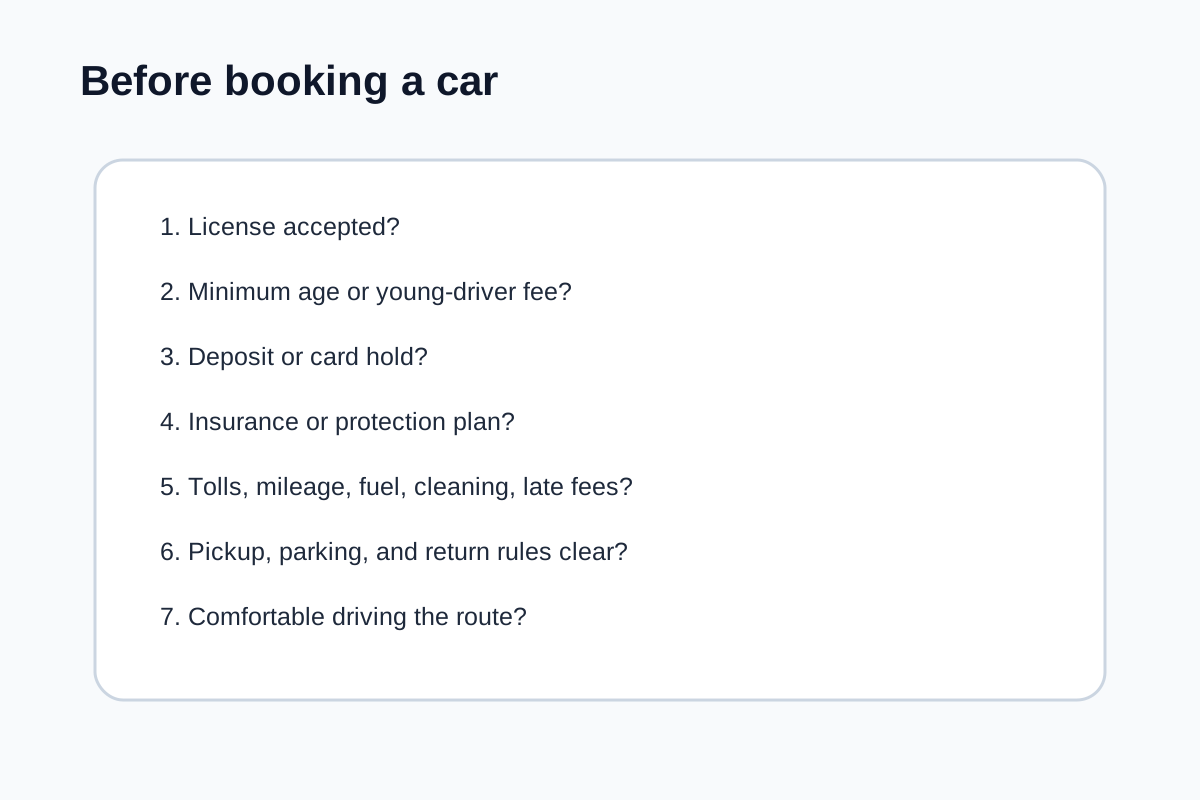
Ask before booking:
- What insurance or protection is included?
- What is optional, and what does it cost?
- What deductible or out-of-pocket amount could apply after damage?
- Will the company place a hold on your debit or credit card?
- Are debit cards accepted?
- Are there fees for young drivers, extra drivers, tolls, cleaning, late returns, mileage, fuel, or charging?
- Does your credit card provide rental coverage, and does it apply to this type of booking?
Before you book a rental or shared car
0 of 6 doneDriving Readiness
Do not rent a car just because it is available. Make sure you can drive safely where you are going.
Check whether you are comfortable with:
- Driving on U.S. roads and highways.
- Right turns on red where legal.
- Four-way stops.
- School buses and emergency vehicles.
- Parking signs and meters.
- Snow, ice, heavy rain, or mountain roads.
- Tolls and electronic toll roads.
- Returning the car with the correct fuel or charge level.
If you are tired, newly arrived, or unfamiliar with local driving rules, choose rideshare, taxi, transit, shuttle, or help from someone you trust.
Confirm that your current license authorizes you to drive in the state and that the rental or car-sharing company accepts it. Driver License and State ID Basics explains foreign-license limits, International Driving Permits, state licensing, and REAL ID.
Common Mistakes
Decision Rules
| Situation | Practical rule |
|---|---|
| You need a car for one errand | Compare car share with rideshare both ways. |
| You need a car for several days | Compare traditional rental, peer-to-peer rental, and public transit plus rideshare. |
| You are under 25 | Check young-driver fees before booking. |
| You only have a debit card | Check payment and deposit rules before relying on the booking. |
| You are not comfortable driving locally | Use transit, rideshare, taxi, shuttle, or ask for help. |
| You need to move furniture | Compare moving truck, delivery fee, rideshare package options, and asking the store about delivery. |
What To Do Next
- Decide whether you need a car, or only a ride.
- Check license, age, payment, insurance, and deposit rules.
- Compare total cost, not only the advertised daily or hourly price.
- Photograph the vehicle before and after the trip if allowed.
- Return the vehicle on time, clean, fueled or charged as required, and in the correct location.
- If you keep repeating the same rental or car-share trips every week, read Buying Your First Car before you assume ownership is cheaper.