Your personal information can be used to open accounts, apply for credit, file fake forms, or trick you into sending money. You may be asked for documents many times in the first months, so it helps to know what is normal and what is risky.
Key points
- Protect your SSN, passport, immigration documents, bank details, passwords, and date of birth.
- Do not give personal information to callers, texters, or emails you did not expect.
- A credit freeze can make it harder for someone to open new credit accounts in your name.
- Check credit reports for accounts you do not recognize.
- Apps like Credit Karma can help you monitor changes, but they do not replace official credit reports.
- If you suspect identity theft, use IdentityTheft.gov for an FTC recovery plan.
What Identity Theft Means
Identity theft happens when someone uses your personal information without permission. They may try to open credit cards, take loans, rent housing, get phone service, access bank accounts, or impersonate you.
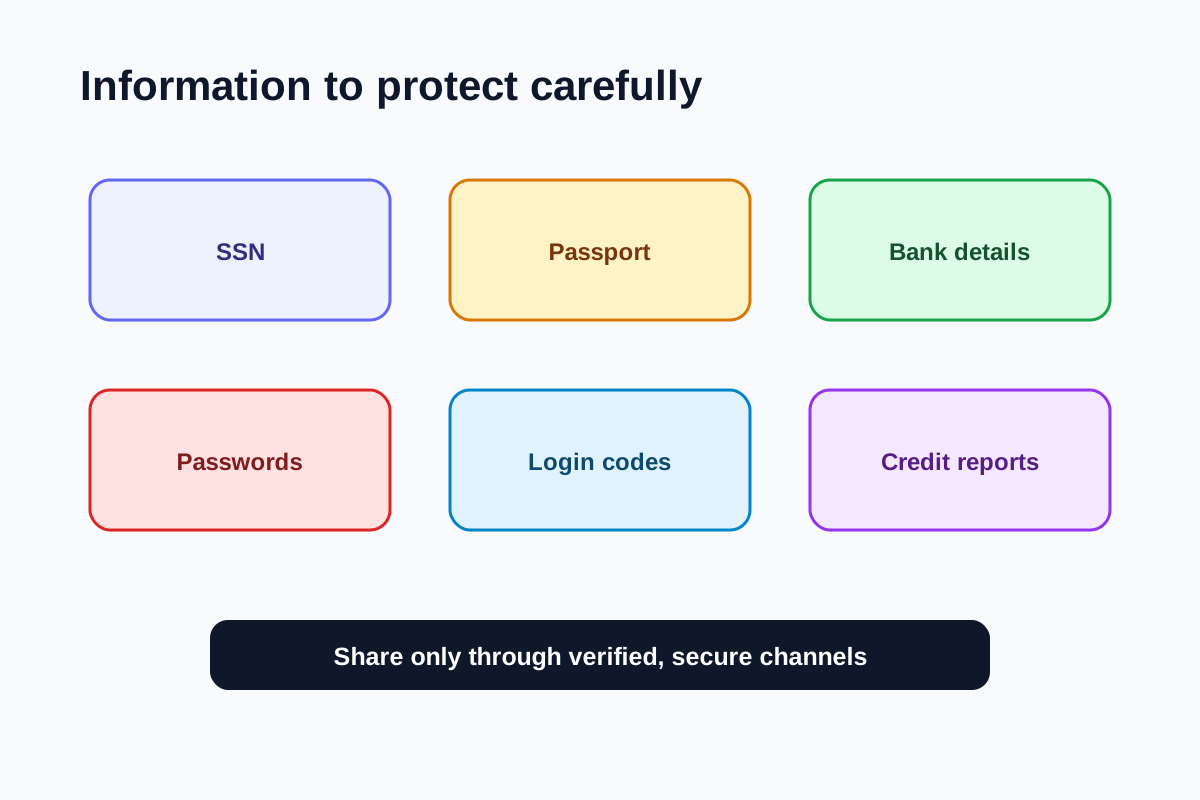
Information that needs extra care includes:
- Social Security Number.
- Passport and visa details.
- Date of birth.
- U.S. address and previous addresses.
- Bank account and debit card details.
- Credit card numbers.
- Online account passwords and one-time codes.
- Photos of identity documents.
Personal information safety checklist
0 of 6 doneWhen It Is Normal To Share Personal Information
Some real organizations may need sensitive information. The goal is not to refuse every request. The goal is to know who is asking and why.
| Situation | Personal information may be normal? | What to check first |
|---|---|---|
| Bank account application | Yes | Use the official bank website, app, branch, or verified phone number. |
| Employer hiring paperwork | Yes | Confirm the employer, role, payroll process, and secure form method. |
| Apartment application | Often | Verify the landlord or property manager before sending SSN or documents. |
| School or university forms | Often | Use official school portals or offices. |
| Random phone call or text | No | Do not provide SSN, bank details, passwords, or login codes. |
| Email link asking you to "verify" an account | Risky | Go directly to the official website instead of clicking the link. |
Spam Calls, Texts, And Phishing
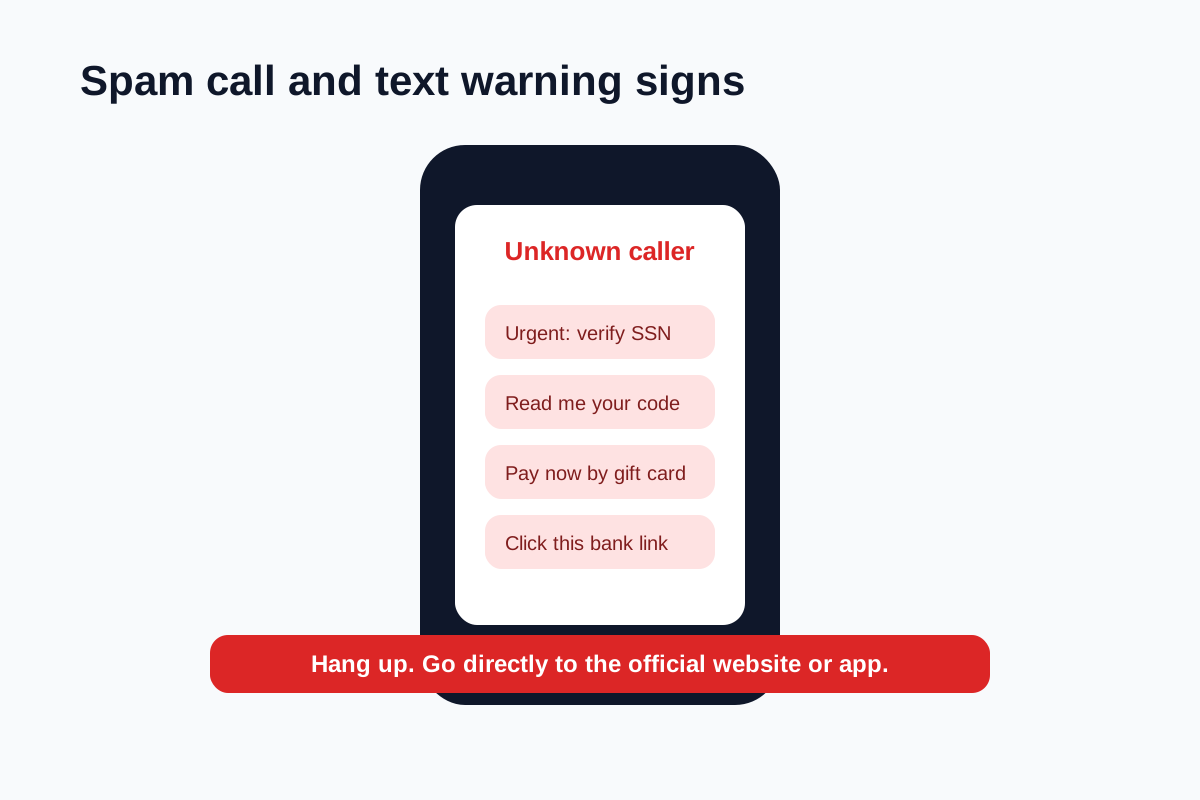
Scammers may pretend to be from a bank, delivery company, police department, immigration agency, tax office, university, phone carrier, or credit bureau. They may say your account is locked, your visa is in danger, your package is delayed, or you must pay immediately.
Safer habits:
- Do not answer calls from unknown numbers when you are not expecting them.
- Let unknown calls go to voicemail.
- Do not call back numbers from threatening messages.
- Do not click links in surprise texts about banks, packages, taxes, immigration, or payments.
- Go directly to the official website or app.
- Look up the official phone number yourself.
- Never pay a supposed government agency with gift cards, crypto, wire transfer, or payment apps.
Freezing Your Credit
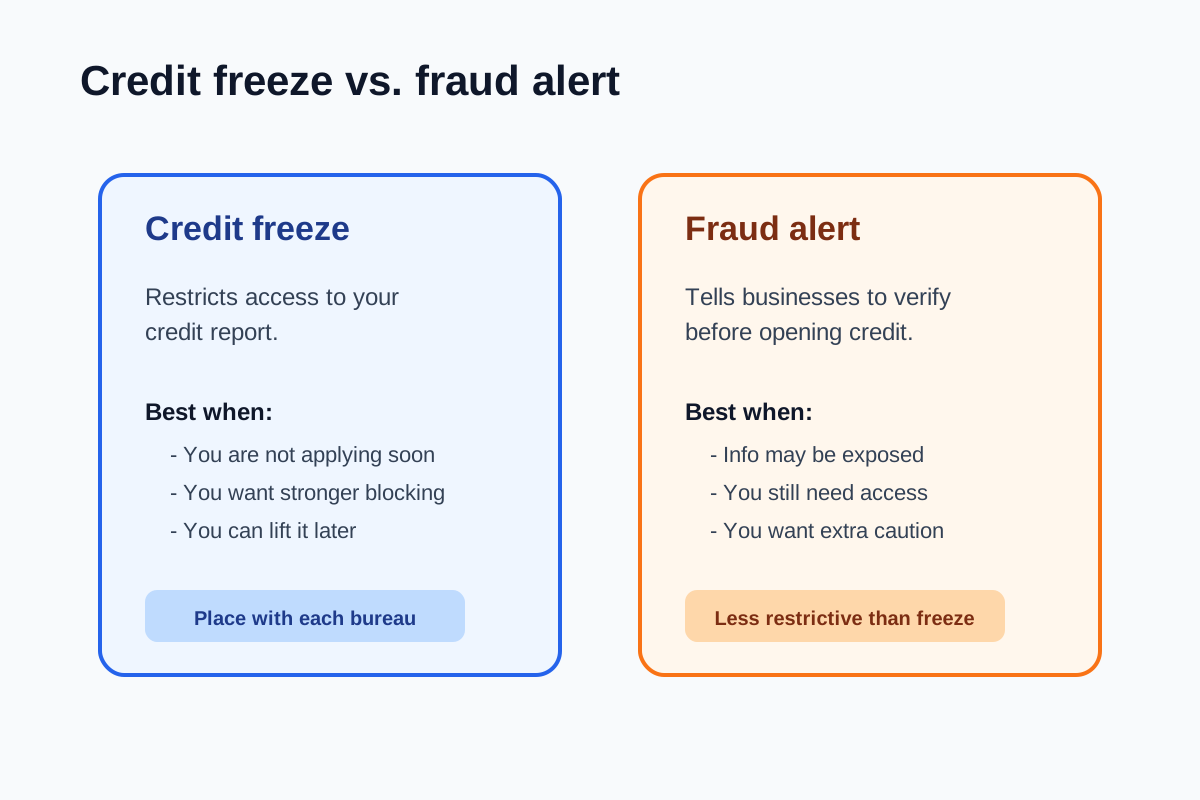
A credit freeze restricts access to your credit report. The FTC explains credit freezes and fraud alerts as tools that can make it harder for identity thieves to open new credit accounts in your name because lenders usually need to review your report before approving new credit.
Important points:
- Freezing credit is free.
- You must place a freeze separately with each major credit bureau: Equifax, Experian, and TransUnion.
- You can temporarily lift a freeze when you need to apply for credit.
- A freeze does not stop fraud on accounts that are already open.
- A freeze does not replace checking bank accounts, cards, and credit reports.
Fraud Alerts
A fraud alert tells businesses to take extra steps before opening new credit in your name. It is different from a freeze. The FTC says a fraud alert still allows businesses to access your credit report, while a freeze restricts access more strongly.
Fraud alerts can help if you think your information was exposed or stolen. Identity theft victims may qualify for a longer alert after completing an FTC identity theft report or police report.
Monitoring Your Credit
Monitoring means watching for new accounts, inquiries, balance changes, or information you do not recognize.
You can use:
- AnnualCreditReport.com for official free credit reports.
- Bank or credit card alerts.
- Credit monitoring apps such as Credit Karma.
- Notifications from your bank, card issuer, school, or employer.
Credit Karma and similar apps can be useful for alerts and score estimates. Treat them as monitoring tools, not the official source for every credit decision. If something looks wrong, check your actual credit reports and follow the bureau dispute process.
What To Do If Something Looks Wrong
- Save screenshots, letters, account numbers, and dates.
- Contact the bank, lender, landlord, or company using an official phone number or website.
- Change passwords on affected accounts.
- Freeze your credit if new-account fraud is possible.
- Check credit reports at AnnualCreditReport.com.
- Report identity theft and get recovery steps at IdentityTheft.gov.
- File a police report if a company, landlord, bank, or government agency asks for one.
Common Mistakes
Decision Rules
| Situation | Practical rule |
|---|---|
| Someone calls and asks for your SSN | Do not provide it. Hang up and call the official number if needed. |
| You are applying through a verified bank, employer, school, landlord, or government portal | Sharing sensitive information may be normal, but use the official process. |
| You are not applying for credit soon | Consider freezing your credit with all three major bureaus. |
| You plan to apply for credit soon | Ask which bureau will be checked and lift the freeze temporarily if needed. |
| You see an account you do not recognize | Freeze credit, contact the company, check reports, and use IdentityTheft.gov. |
What To Do Next
- Learn the broader warning signs in Common Scams Targeting Newcomers.
- Follow What To Do If You Were Scammed if you already sent money, shared documents, or lost account access.
- Learn how credit files work in What Is a Credit Score?.
- Read Credit Checks before giving your SSN for applications.
- Use Sending and Receiving International Money Transfers before wiring money, receiving emergency funds, or comparing transfer services.
- Store digital document copies in a secure account with strong passwords and two-factor authentication.
Sources
This guide uses official or primary sources for rules and government steps. Local rules may still vary. (Last checked: September 10, 2026)