After your first few days in the United States, you can choose a phone plan more carefully. The best plan is not always the cheapest advertised price. It depends on coverage where you live, how much data you need, whether you want to avoid a credit check, and whether you are buying a phone.
Key points
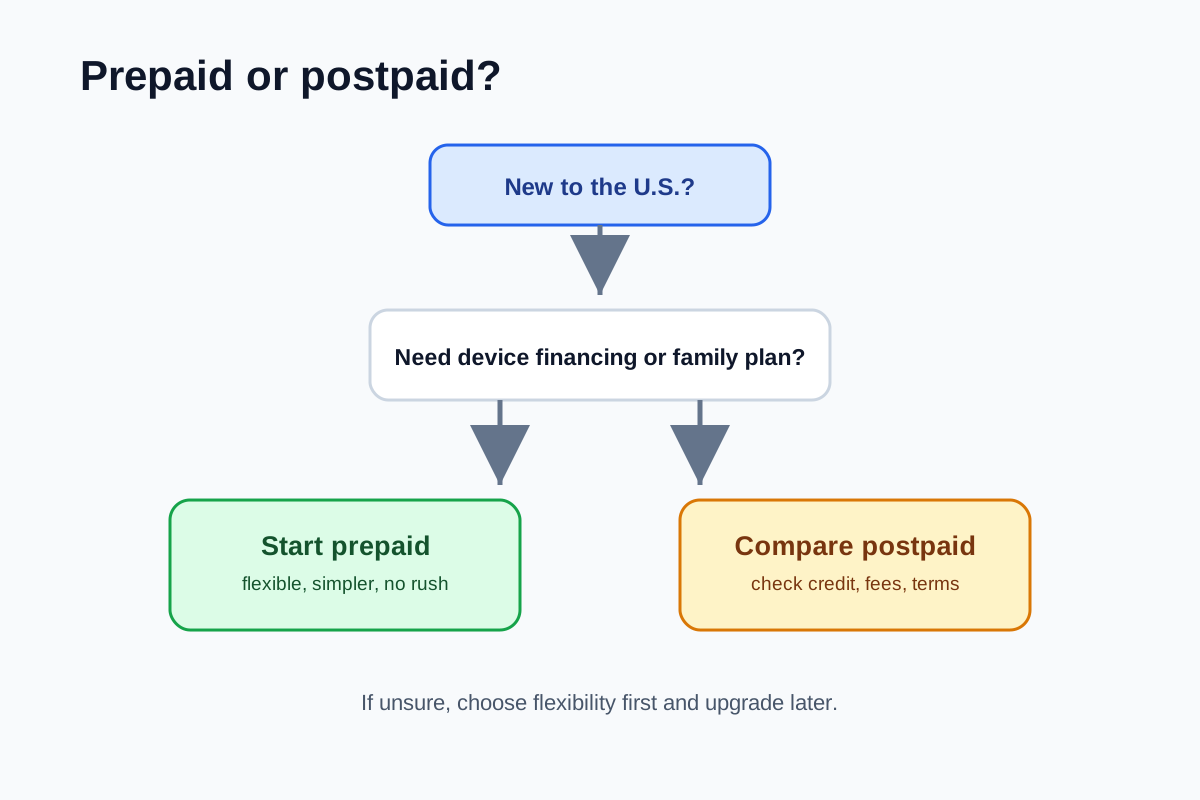
- Start with prepaid if you are not sure what you need yet.
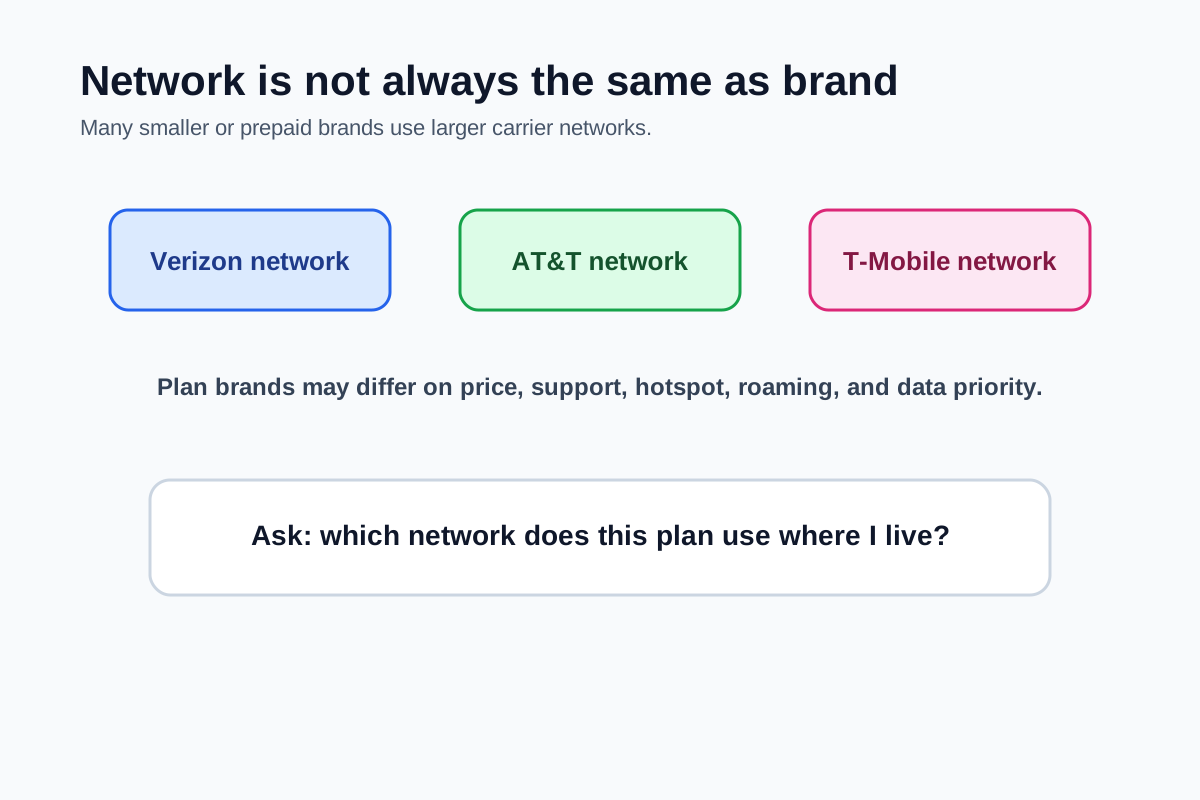
- The major nationwide carrier networks are Verizon, AT&T, and T-Mobile.
- Many cheaper brands use those networks, but plan rules, support, hotspot, and data priority can differ.
- Avoid unnecessary credit checks until you are settled and understand the offer.
- Check university, employer, military, family, or professional discounts before choosing postpaid.
- Be careful with "free phone," installment, insurance, and carrier credit card offers.
Who This Guide Is For
Use this guide if you already solved your first-day connection problem and now need a plan for the next month, semester, job, lease, or longer stay.
If you have not arrived yet or only need airport-day data, start with Phone and Internet for U.S. Arrival.
How U.S. Mobile Service Is Organized
The main nationwide carrier networks are Verizon, AT&T, and T-Mobile. They operate large wireless networks, stores, postpaid plans, prepaid plans, device financing, and family plans.
You will also see many smaller or cheaper brands. Some are owned by major carriers, and others are mobile virtual network operators, often called MVNOs. These brands use another company's network instead of operating a full nationwide network themselves.
That means two plans can use the same general network but still feel different because of:
- Price and taxes.
- Store support versus online-only support.
- Hotspot allowance.
- International calling or roaming.
- Data speed after a usage limit.
- Data priority when the network is crowded.
- Phone compatibility and activation rules.
Prepaid Vs. Postpaid
Prepaid means you pay before the service month starts. Postpaid means you receive a bill after service is used.
| Plan type | Better when | Watch out for |
|---|---|---|
| Prepaid | You are new, want flexibility, want to avoid credit checks, or do not know your long-term needs yet. | Lower advertised support, limited device deals, hotspot limits, possible slower data during congestion. |
| Postpaid | You want a family plan, employer discount, device financing, premium roaming, or stronger store support. | Credit checks, deposits, activation fees, taxes, add-ons, and device installment commitments. |
Prepaid often works best for the first weeks or months. You can switch later when you know your address, commute, campus, workplace, data use, and budget.
Why Data Matters In The U.S.
Mobile data is not just entertainment. In daily life, you may use it for:
- Maps and transit directions.
- Rideshare pickup locations.
- Bank, school, and work verification.
- Apartment tours and lease messages.
- Food delivery or grocery pickup.
- Emergency contacts.
- Translation apps.
- Hotspot for a laptop before home internet is installed.
Check whether the plan has truly unlimited high-speed data, a fixed high-speed data amount, hotspot limits, or reduced speeds after a threshold. "Unlimited" can still have rules.
Coverage Depends On Your Real Locations
Do not choose only from national ads. The best carrier depends on where you actually spend time.
Before committing:
- Ask classmates, coworkers, roommates, or neighbors what works in your building.
- Check coverage at home, campus, workplace, grocery routes, and commute.
- Test call quality indoors, not only outside.
- Avoid long commitments until you know your local coverage.
Discounts To Check
Before choosing a postpaid plan, check whether you qualify for discounts through:
- University or college.
- Employer.
- Professional association.
- Military, veteran, first responder, nurse, teacher, or government worker status.
- Family or group plan.
- Autopay and paperless billing.
Read the details. Some discounts apply only to specific plans, require verification, or disappear if you change plan tiers.
Device Installment Plans
A carrier may offer a new phone with monthly payments or bill credits. This can be useful, but it is not the same as a free phone.
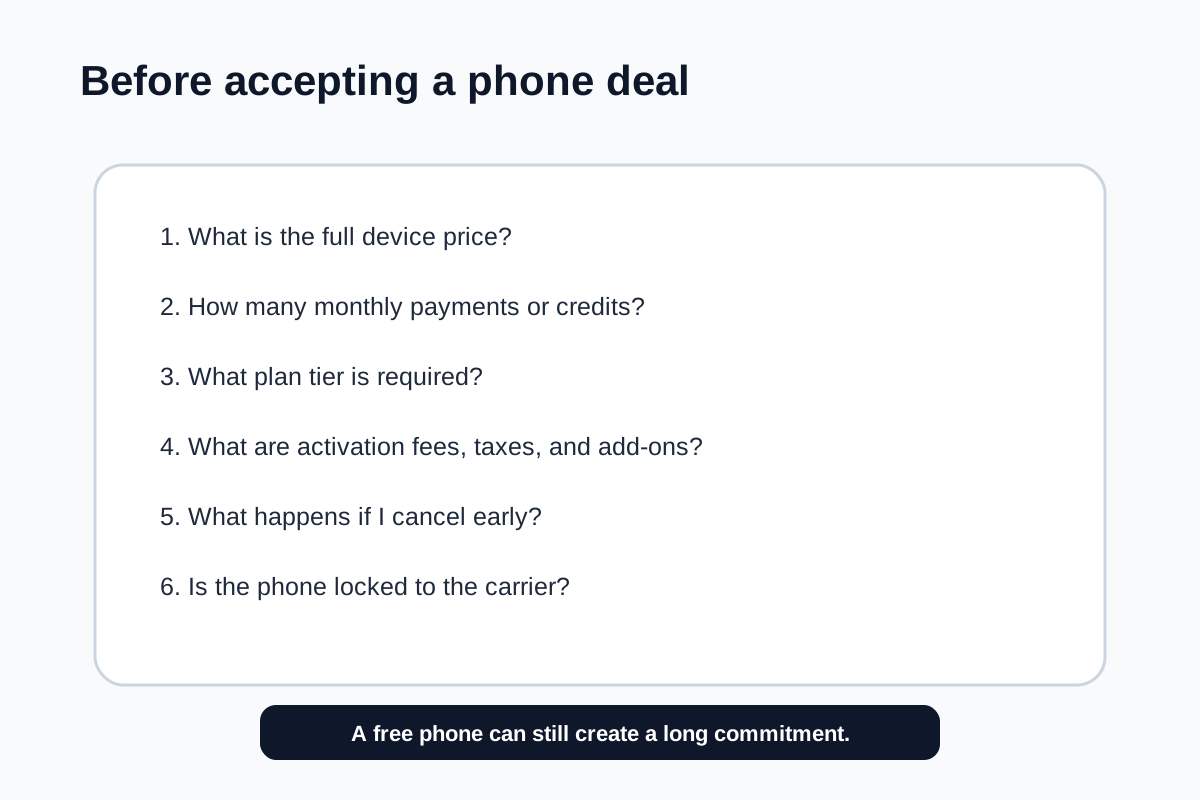
Before accepting, ask:
- What is the full retail price of the phone?
- How many months is the installment plan?
- Are bill credits spread over many months?
- What happens if you cancel early or switch carriers?
- Do you have to stay on a more expensive plan?
- Is there a down payment, activation fee, sales tax, or upgrade fee?
- Is the phone locked to the carrier?
Locked And Unlocked Phones
An unlocked phone can usually work with more carriers if it supports their network. A locked phone may work only with the carrier that sold it until unlocking rules are met.
The FCC has a cell phone unlocking guide explaining the basic idea. Carrier policies can differ, so check the exact unlocking requirements before buying or financing a phone.
Carrier Credit Cards And Extra Offers
Some carriers may offer credit cards, tablets, watches, accessories, insurance, streaming bundles, or extra lines. Some offers are legitimate, but they can make the bill harder to understand.
For most people, a carrier credit card should not be the first credit product. If your goal is to build credit, compare simple low-fee options in What Is a Credit Score? instead.
Phone Insurance
Phone insurance can make sense for an expensive financed phone, but it is not automatically worth it.
Check:
- Monthly cost.
- Deductible.
- What counts as covered damage, loss, or theft.
- Whether replacement phones are new or refurbished.
- Whether you already have protection through a credit card, renter's insurance, or manufacturer warranty.
Switching Later And Keeping Your Number
If you switch carriers later, you may be able to keep your phone number through number porting. The FCC explains phone number porting as keeping your number when changing providers if you remain in the same geographic area.
Do not cancel your old plan before the number transfer finishes. Ask the new carrier what information is needed, such as account number, transfer PIN, billing ZIP code, and account holder name.
Common Mistakes
Decision Rules
| Situation | Practical rule |
|---|---|
| You just arrived and need service now | Choose prepaid or a short-term plan first. |
| You do not have U.S. credit history yet | Avoid unnecessary credit checks and device financing. |
| Your school or employer may have discounts | Check discounts before choosing postpaid. |
| You need laptop internet | Check hotspot allowance before buying. |
| You want a new phone | Compare unlocked purchase, used phone, manufacturer financing, and carrier installment offers. |
| You are unsure about coverage | Avoid long commitments until you test service in your real locations. |
Phone plan comparison checklist
0 of 6 doneWhat To Do Next
- List your must-haves: data, hotspot, international calling, budget, coverage, and phone number needs.
- Ask local people which networks work in your building and commute.
- Compare one prepaid option and one postpaid option.
- Ask whether a credit check, deposit, activation fee, or installment agreement is required.
- Avoid add-ons until you understand the base monthly bill.
Sources
This guide uses official or primary sources for rules and government steps. Local rules may still vary. (Last checked: September 10, 2026)