Public transit in the United States is local. A subway system in one city, a bus network in another city, and a commuter train in a suburb may all use different payment rules, apps, maps, schedules, and safety habits. Learn the system where you actually live.
Key points
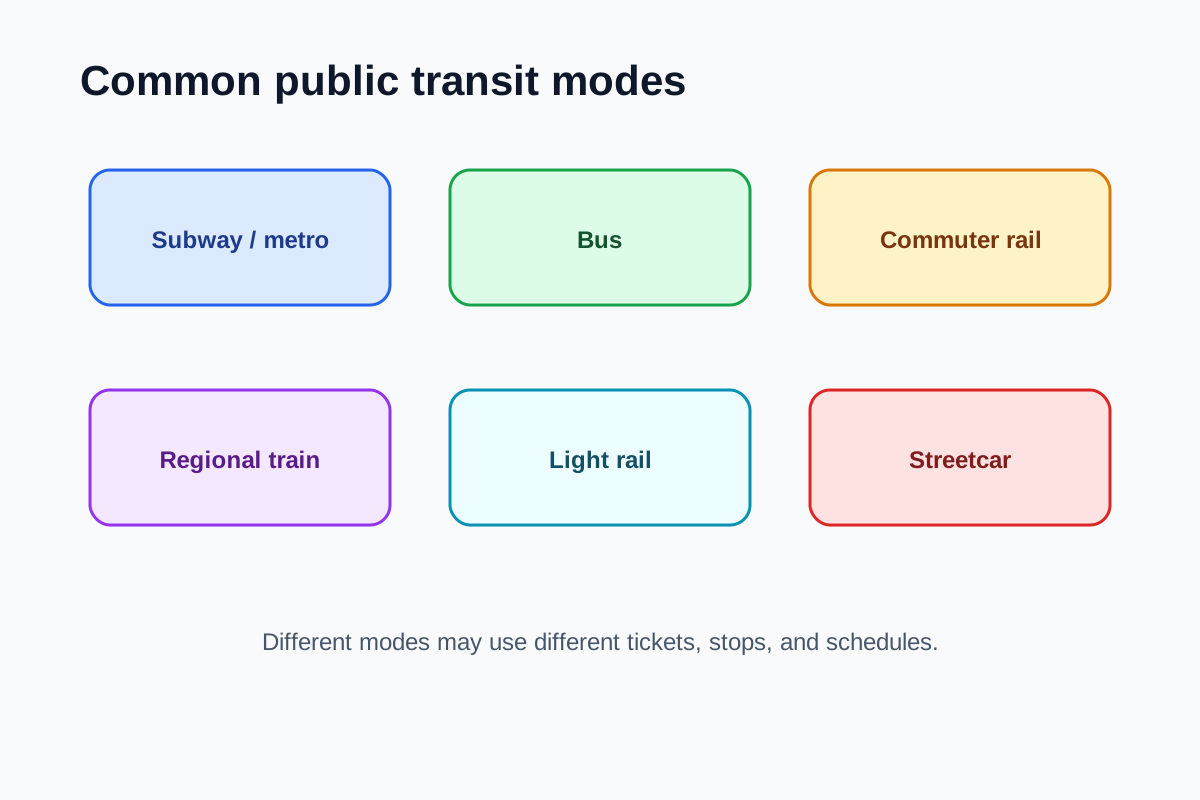
- Public transit can include subway, bus, light rail, streetcar, commuter rail, and regional trains.
- Rules change by city and transit agency, so check the official local transit website or app.
- Some cities accept contactless credit cards or phones. Others require a transit card, app, ticket, or exact fare.
- Buses usually require you to know the route, stop direction, fare method, and how to request your stop.
- Regional and commuter trains often have different tickets than local subway or bus systems.
- Always check service hours, transfer rules, safety, and last-train or last-bus times.
Who This Guide Is For
Use this guide if you need to get around after arrival using public transit. If you are choosing your first ride from the airport with luggage, start with Getting Around After Arrival.
Regional Differences
There is no single U.S. transit system. The experience depends heavily on the region.
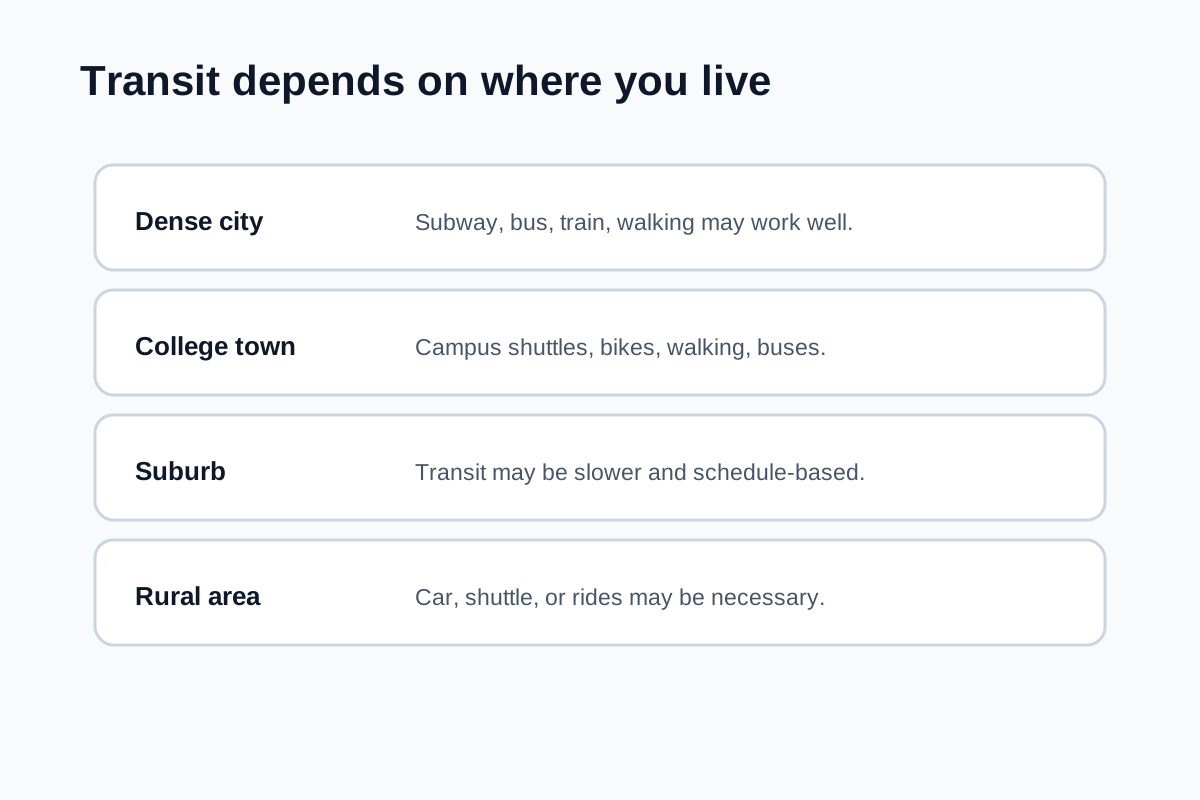
| Place type | What transit may feel like | Practical rule |
|---|---|---|
| Dense cities | Subway, buses, trains, and walking may work well. | Learn the payment card or app quickly. |
| College towns | Campus shuttles, city buses, bikes, and walking may cover daily needs. | Check student transit passes and campus routes. |
| Suburbs | Transit may exist but be slower, less frequent, or focused on commuting. | Check schedules before relying on it for work or appointments. |
| Smaller cities | Buses may be the main option, with limited evening or weekend service. | Confirm operating hours and backup rides. |
| Rural areas | Public transit may be limited or unavailable. | Plan for rideshare, carpool, shuttle, rental car, or driving. |
Do not assume that a short distance on a map means an easy transit trip. Highways, missing sidewalks, infrequent buses, weather, and late-night service gaps can make the trip harder.
Subway And Metro Systems
Subway, metro, and rapid transit systems run on fixed rail lines. They are common in some large cities and rare in many others.
Before riding, check:
- Which line and direction you need.
- Whether the station has multiple entrances or platforms.
- Whether express trains skip your stop.
- Whether transfers require walking inside a station.
- Last train times.
- Whether your phone has service underground.
Buses
Buses are common across many U.S. cities and towns, but they can be harder the first time because stops may be less obvious than train stations.
Before boarding, confirm:
- Route number or name.
- Direction of travel.
- Stop location on the correct side of the street.
- Fare method.
- Whether you must board at the front door.
- Whether you need to request your stop.
On many buses, you pull a cord, press a button, or tap a stop request strip before your stop. If you do not request the stop and nobody is waiting there, the bus may continue.
Trains, Commuter Rail, And Regional Rail
Train systems can mean different things:
- Commuter rail: connects suburbs and nearby cities to a central city, often used for work commutes.
- Regional rail: connects a wider area within a state or region.
- Intercity rail: connects cities over longer distances, often using Amtrak or a state-supported service.
- Light rail or streetcar: runs within a city or metro area, sometimes on streets.
Commuter and regional trains often have separate tickets from subway or bus systems. Prices may depend on zones, distance, peak time, direction, or whether you buy before boarding.
Ask before you ride:
- Is this ticket valid for this train system?
- Do I need to buy before boarding?
- Is there a higher onboard fare?
- Does the ticket cover transfers to bus or subway?
- Is the schedule different on weekends or holidays?
Transit Cards And Payment
Payment systems differ by city.
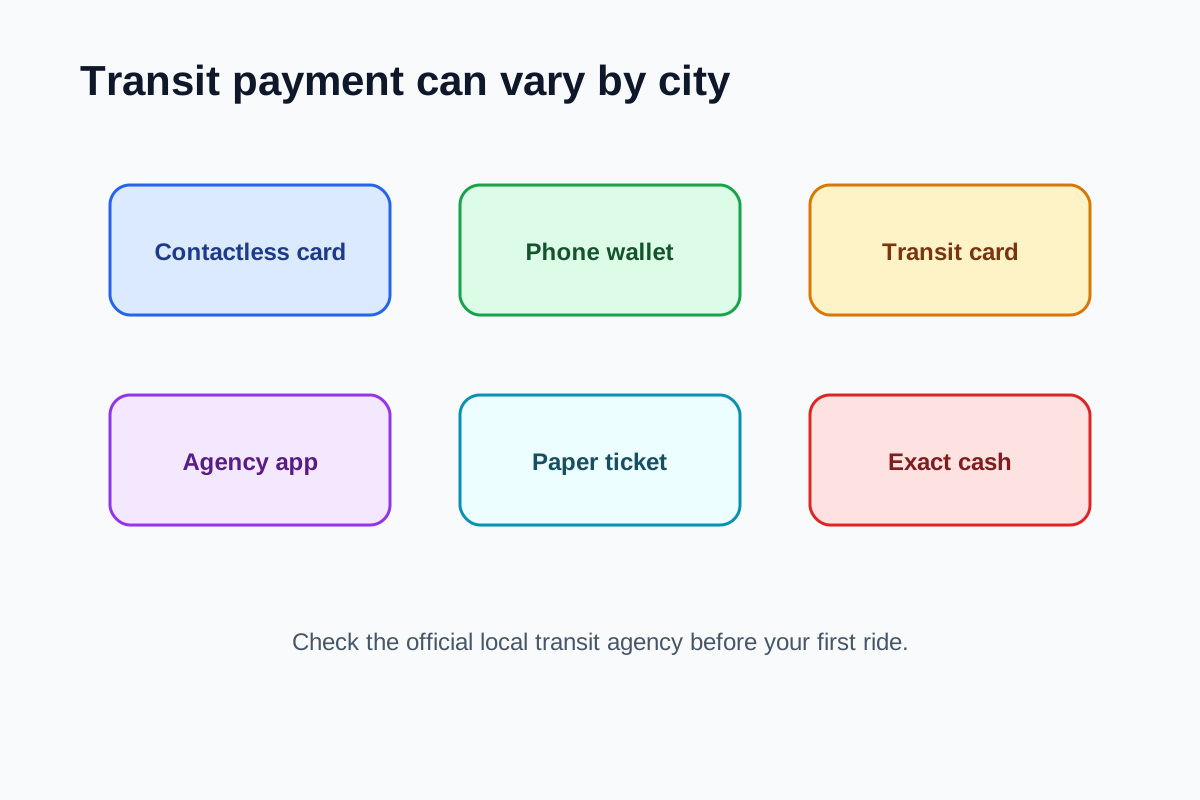
You may use one or more of these:
- Contactless credit or debit card.
- Apple Pay, Google Pay, or another mobile wallet.
- Local transit card.
- Transit agency app.
- Paper ticket.
- Cash or exact fare on buses.
- Student, employer, senior, or reduced-fare pass.
When buying a pass, check whether it is worth it. A daily, weekly, or monthly pass only saves money if you ride enough times during that period.
Apps, Maps, And Official Sources
Navigation apps are useful, but they can be wrong during delays, detours, construction, weather, or special events.
Use:
- The official transit agency website or app.
- Google Maps, Apple Maps, Transit App, or city-specific apps for route planning.
- Station signs and platform screens.
- Service alerts before important trips.
For work, school, medical appointments, exams, interviews, or flights, check the route the night before and again before leaving.
Transfers
A transfer means moving from one bus, subway, train, or rail line to another. Transfers can save money or time, but they add risk.
Check:
- Whether the transfer is free or discounted.
- How long the transfer window lasts.
- Whether you must use the same card or app.
- Whether you need to leave the station and re-enter.
- How much walking is required.
- Whether the next service runs frequently.
If you are new, choose fewer transfers when possible, especially at night, in bad weather, or with luggage.
Safety And Practical Habits
Public transit is normal daily transportation in many U.S. cities, but you should still use basic awareness.
- Keep your phone charged.
- Save your destination and backup route.
- Stand back from platform edges.
- Keep bags closed and close to your body.
- Avoid empty train cars late at night if other cars have more riders.
- Trust official signs, staff, and agency announcements over random advice.
- If a station or stop feels unsafe, move to a better-lit area or use another option.
Common Mistakes
Decision Rules
| Situation | Practical rule |
|---|---|
| You are new to the city | Use official transit maps and start with simple routes. |
| You have luggage | Avoid complex transfers, stairs, and crowded rush-hour routes if possible. |
| You ride daily | Compare single fares with weekly or monthly passes. |
| You travel late at night | Check last service and station or stop safety before leaving. |
| You are going to an appointment | Add extra time for delays, transfers, and walking from the stop. |
| You are outside a major city | Confirm that transit actually serves your destination and return time. |
First public transit trip checklist
0 of 6 doneWhat To Do Next
- Find the official transit agency for your city, campus, or region.
- Learn the payment method: contactless card, app, transit card, cash, or ticket.
- Save routes to groceries, school, work, urgent care, and your closest transit stop.
- Test one simple route during daytime before relying on it for something important.
- Keep a backup option for late night, bad weather, or missed connections.